English
 русский
 عربى
عربىContent
- 1 What a Spray Welding Roller Is and Why It's Used in Heavy Industry
- 2 Common Spray Welding Methods Used for Roller Coating
- 3 Key Benefits of Spray Welded Rollers Over Untreated Rollers
- 4 Typical Industrial Applications for Spray Welding Rollers
- 5 Comparing Spray Welding Methods by Performance Characteristics
- 6 Factors to Evaluate Before Choosing a Roller Coating Solution
- 7 Maintenance Practices That Extend Coated Roller Life
What a Spray Welding Roller Is and Why It's Used in Heavy Industry
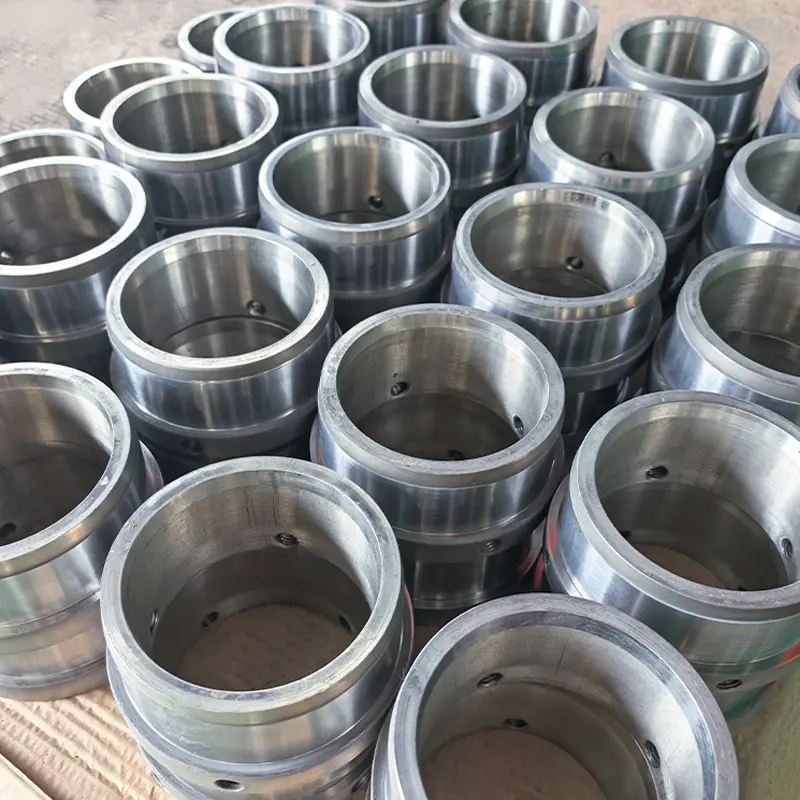
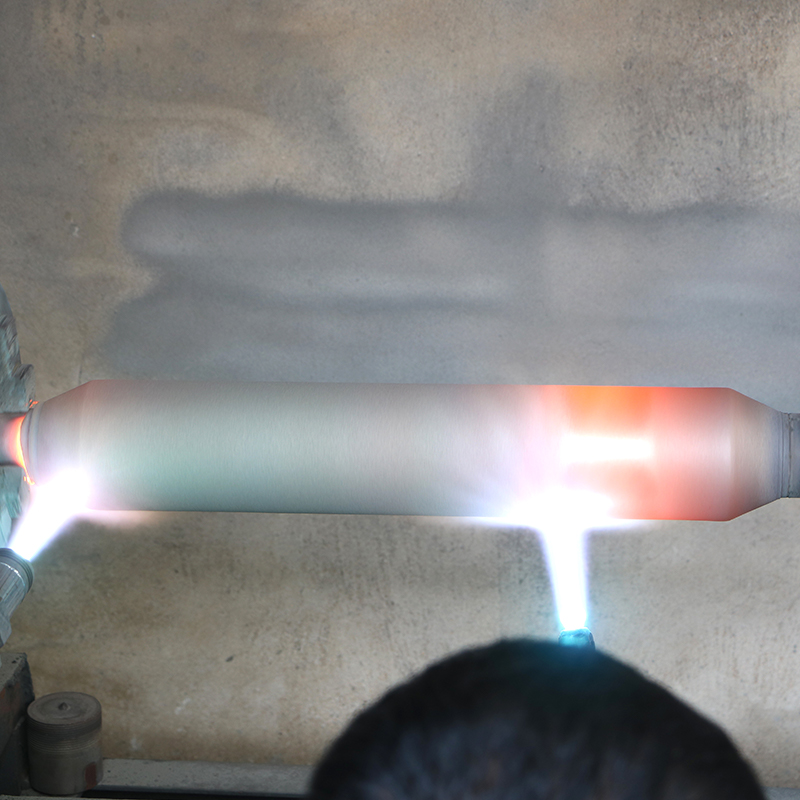
A spray welding roller is an industrial roller component that has undergone a thermal spray coating process, applying a wear-resistant metal alloy layer onto the roller's base surface to extend its service life in demanding mechanical environments. Common in steel mills, paper manufacturing, printing presses, and material handling systems, these rollers face constant friction, heat, and pressure that would quickly degrade an untreated surface, making the spray-welded coating essential for maintaining consistent performance over long operational periods.
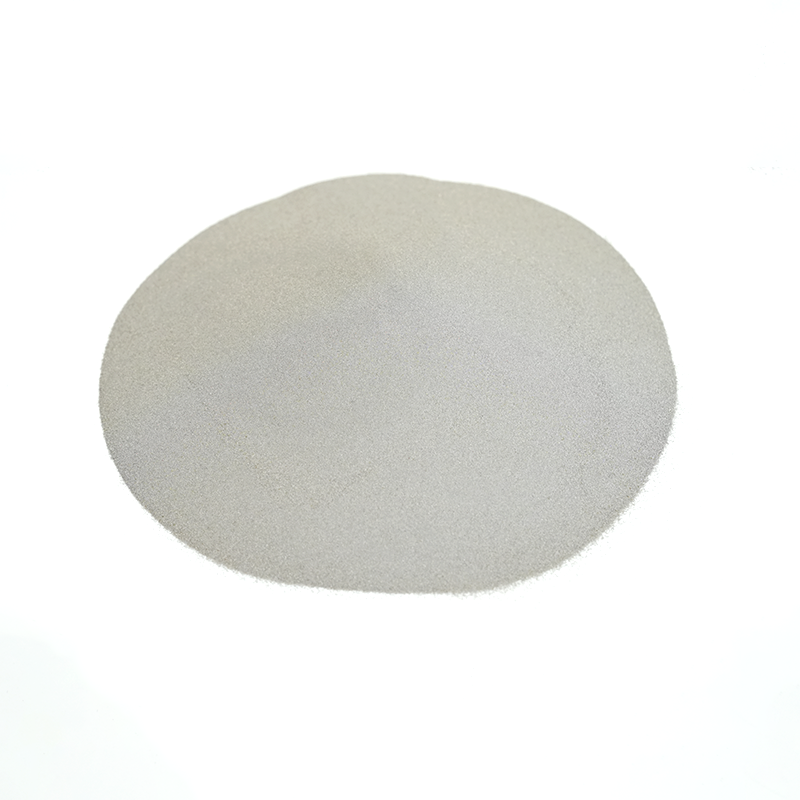
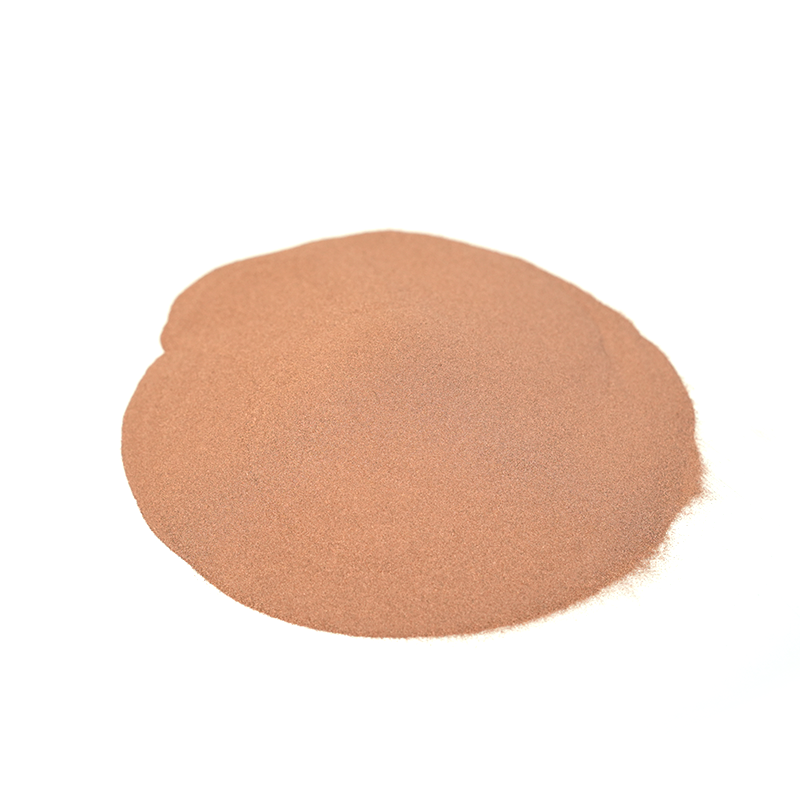
The spray welding process itself involves melting a metal alloy powder or wire and projecting it onto the roller's surface at high velocity, where it bonds to form a dense, uniform coating. Unlike simple plating methods, spray welding roller coatings create a metallurgical bond that resists chipping and delamination even under heavy mechanical stress, which is why this technique remains a preferred solution for rebuilding worn rollers rather than replacing them entirely.
Common Spray Welding Methods Used for Roller Coating
Several distinct spray welding techniques exist, each suited to different roller applications, coating thicknesses, and performance requirements.
Plasma Transferred Arc Welding
This method uses an electric arc to melt metal powder directly onto the roller surface, producing an exceptionally dense, low-dilution coating ideal for rollers requiring maximum wear and corrosion resistance.
High Velocity Oxygen Fuel Spraying
Known for producing extremely dense, low-porosity coatings, this technique is often chosen for rollers operating in high-friction environments where surface hardness and smoothness are critical.
Flame Spray Welding
A more traditional and cost-effective method, flame spray welding is commonly used for general-purpose roller rebuilding where extreme precision isn't the primary requirement.
Laser Cladding
Using a focused laser beam to melt coating material onto the roller surface, this method offers precise control over coating thickness and minimal heat distortion to the base roller material.
Key Benefits of Spray Welded Rollers Over Untreated Rollers
Industrial operators choose spray welding roller solutions for several practical reasons tied directly to equipment uptime and long-term cost savings.
- Significantly extended roller service life compared to untreated or standard hardened surfaces
- Improved resistance to abrasive wear, corrosion, and high-temperature degradation
- Ability to rebuild worn rollers rather than replacing them entirely, reducing capital equipment costs
- Customizable coating alloys tailored to specific operating conditions such as heat, chemical exposure, or friction levels
- Reduced downtime, since coated rollers require less frequent maintenance and replacement scheduling
Typical Industrial Applications for Spray Welding Rollers
Spray welded rollers appear across a wide range of industries where surface durability directly impacts production efficiency and product quality.
Steel and Metal Processing Mills
Rollers used in hot and cold rolling operations face extreme heat and pressure, making spray welded coatings essential for maintaining dimensional accuracy and preventing surface degradation over continuous production runs.
Paper and Pulp Manufacturing
Press rollers and dryer section rollers in paper mills rely on spray welded coatings to resist corrosion from moisture and chemical exposure while maintaining a smooth surface finish for product quality.
Printing and Packaging Equipment
Precision rollers in printing presses benefit from spray welded surfaces that maintain exact tolerances despite constant friction from paper, film, or packaging material passing through the equipment.
Comparing Spray Welding Methods by Performance Characteristics
Choosing the right spray welding technique depends on the specific demands of the roller's operating environment. The table below summarizes key differences between common methods.
| Method | Coating Density | Best Suited For |
| Plasma Transferred Arc | Very High | Heavy wear, corrosive environments |
| HVOF Spraying | High | High-friction, precision surfaces |
| Flame Spray | Moderate | General-purpose rebuilding |
| Laser Cladding | Very High | Precision thickness, minimal distortion |
Factors to Evaluate Before Choosing a Roller Coating Solution
Selecting the appropriate spray welding roller solution requires careful consideration of the roller's operating conditions and expected service demands.
- Operating temperature range the roller will be exposed to during regular use
- Type and severity of mechanical wear, including abrasion, impact, or sliding friction
- Chemical exposure risks, such as moisture, acids, or process chemicals contacting the roller surface
- Required dimensional tolerance and surface finish specifications for the application
- Budget considerations balanced against the expected service life extension of the coated roller
Maintenance Practices That Extend Coated Roller Life
Even high-quality spray welded coatings benefit from proper ongoing care to maximize their service life. Regular inspection for surface cracking, pitting, or coating delamination helps catch early signs of wear before they compromise the roller's performance or cause damage to adjacent equipment. Keeping rollers properly aligned and balanced reduces uneven stress distribution across the coated surface, which is a common cause of premature localized wear. Additionally, following manufacturer-recommended cleaning procedures specific to the coating alloy used prevents chemical residue buildup that could gradually degrade coating integrity over repeated production cycles.