English
 русский
 عربى
عربىOxide ceramic powder is the foundational raw material behind some of the most demanding engineering components in modern industry — from the thermal barrier coatings that protect jet engine turbine blades, to the biocompatible implant surfaces used in orthopedic surgery, to the substrate materials in high-frequency electronic devices. The term encompasses a broad family of inorganic, non-metallic powders in which oxygen is chemically bonded to one or more metallic or semi-metallic elements, producing compounds with exceptional hardness, thermal stability, electrical insulation, and chemical resistance. This guide cuts through the complexity to give engineers, procurement specialists, and materials researchers a practical understanding of what oxide ceramic powders are, how they differ, what processing parameters matter, and where each type performs best.
Content
- 1 What Defines an Oxide Ceramic Powder
- 2 Major Types of Oxide Ceramic Powders and Their Properties
- 3 Key Property Comparison of Major Oxide Ceramic Powders
- 4 Powder Characteristics That Determine Processing Performance
- 5 Manufacturing Methods for Oxide Ceramic Powders
- 6 Industrial Applications by Oxide Ceramic Powder Type
- 7 Quality Specifications and Characterization Methods
- 8 Handling, Storage, and Safety Considerations
What Defines an Oxide Ceramic Powder
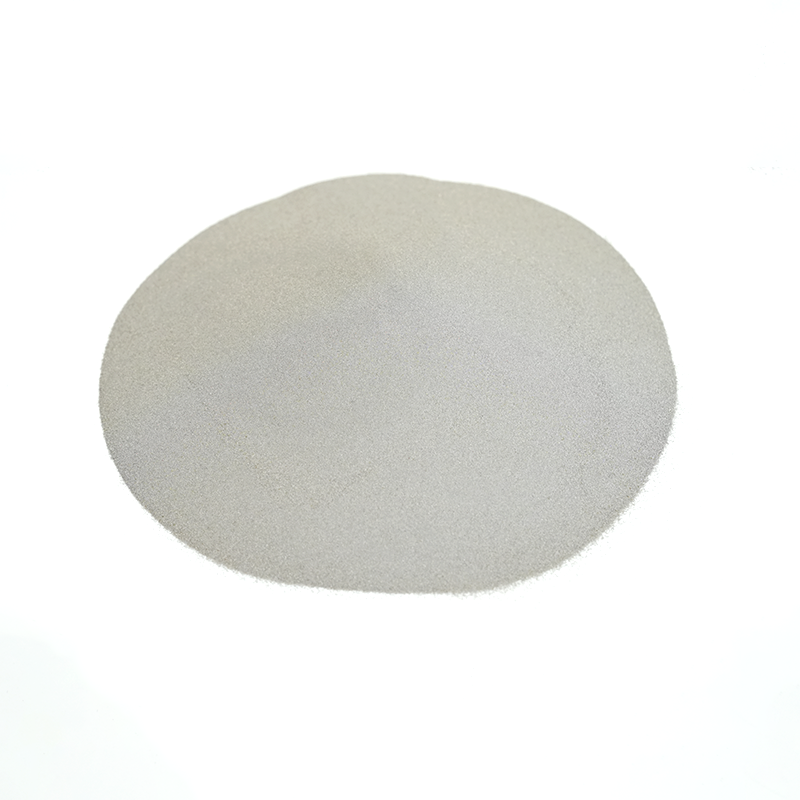
Oxide ceramics are a subclass of advanced ceramics in which the primary chemical bonding involves metal-oxygen or semi-metal-oxygen ionic and covalent bonds. In powder form, these materials are manufactured as fine particles — ranging from sub-micron (nanometer scale) to tens of microns in diameter — that are subsequently processed into dense components or coatings through sintering, hot pressing, thermal spray, or other powder metallurgy and ceramic processing routes.
The "oxide" designation distinguishes these materials from non-oxide ceramics such as carbides, nitrides, and borides. Oxide ceramics are generally more chemically stable in oxidizing environments and more resistant to high-temperature oxidation than their non-oxide counterparts, which makes them the default choice for applications involving prolonged exposure to air, combustion gases, or oxidizing chemical environments. They are also typically easier to sinter to high density than non-oxide ceramics, because oxygen-containing sintering atmospheres and standard furnace environments are naturally compatible with oxide powder systems.
The properties of any given oxide ceramic powder are determined by three levels of structure: the crystal chemistry of the compound itself (which determines intrinsic properties like melting point and electrical behavior), the microstructural characteristics of the powder (particle size, particle size distribution, morphology, and surface area), and the purity and phase composition of the powder (which determines whether second phases, dopants, or impurities are present and what effect they have on processing and final properties).
Major Types of Oxide Ceramic Powders and Their Properties
The oxide ceramic powder category includes dozens of chemically distinct compounds, but a relatively small group accounts for the vast majority of industrial and research use. Understanding the distinct property profiles of these major types is essential for material selection.
Aluminum Oxide (Alumina, Al₂O₃)
Alumina is the most widely produced and consumed oxide ceramic powder globally. Alpha-alumina (α-Al₂O₃) — the thermodynamically stable crystalline phase — is the form used in most structural and wear applications. It has a hardness of approximately 9 on the Mohs scale (2,000–2,100 HV), a melting point of 2,072°C, excellent electrical insulation (resistivity >10¹⁴ Ω·cm at room temperature), and good chemical resistance to most acids and bases except concentrated alkalis and hydrofluoric acid.
Alumina powder is produced in a wide range of purities — from 99% to 99.99%+ — and particle sizes from submicron calcined powders (D50 of 0.3–0.5 µm) used for sintering high-density components, to coarser fused and crushed alumina powders (D50 of 20–80 µm) used as feedstock for thermal spray coatings and abrasive applications. The sintering behavior of alumina is sensitive to purity: even 0.1–0.5% of alkali metal impurities (sodium, potassium) promotes exaggerated grain growth during sintering, leading to coarser microstructures and reduced mechanical strength.
Zirconium Oxide (Zirconia, ZrO₂)
Zirconia is the second most important structural oxide ceramic, distinguished from alumina by its combination of moderate hardness, exceptionally high fracture toughness (for a ceramic), very low thermal conductivity, and high ionic conductivity at elevated temperatures. Pure zirconia undergoes a monoclinic-to-tetragonal phase transformation at approximately 1,170°C, which is accompanied by a volume change that causes cracking in undoped material during cooling — making pure ZrO₂ powder unsuitable for dense structural components without stabilization.
Stabilized zirconia powders are produced by adding dopant oxides — most commonly yttria (Y₂O₃), calcia (CaO), magnesia (MgO), or ceria (CeO₂) — that suppress the destructive phase transformation. The most important variants used in industry are yttria-stabilized zirconia (YSZ) powders, particularly 3 mol% YSZ (3Y-TZP) for maximum toughness in dental and biomedical applications, and 8 mol% YSZ (8YSZ) for maximum thermal cycling resistance in thermal barrier coatings for aerospace turbine components.
Titanium Dioxide (Titania, TiO₂)
Titania exists in three crystalline forms — rutile, anatase, and brookite — with rutile being the thermodynamically stable high-temperature phase used in most ceramic and coating applications. Titania ceramic powder has a moderate hardness (Mohs 6–6.5), high refractive index, and a dielectric constant that makes it valuable in electronic ceramic formulations. Anatase titania is particularly important in photocatalytic applications because of its high photocatalytic activity under UV illumination, driving applications in air purification, self-cleaning surfaces, and photocatalytic water treatment. Rutile TiO₂ powder with controlled particle morphology is used as a thermal spray feedstock for wear-resistant coatings that offer better toughness than alumina in impact-prone environments.
Magnesium Oxide (Magnesia, MgO)
Magnesia powder is characterized by an exceptionally high melting point (2,852°C), good thermal conductivity for an oxide ceramic, and strong basic chemical character. It is hygroscopic — it absorbs atmospheric moisture to form Mg(OH)₂ — which complicates storage and powder handling and requires careful drying before sintering. MgO powder is used as a refractory material in high-temperature furnace linings, as a dopant in alumina and other oxide ceramics to suppress grain growth and improve sintering density, and as a constituent of multi-component oxide ceramic powders for specialized dielectric and magnetic applications.
Cerium Oxide (Ceria, CeO₂)
Ceria is a rare-earth oxide ceramic powder with a fluorite crystal structure and significant oxygen storage and release capacity through a Ce⁴⁺/Ce³⁺ redox cycle, making it the critical functional material in automotive three-way catalytic converters. In ceramic powder form, ceria is used as a stabilizer for zirconia, as a polishing abrasive for optical glass and silicon wafers (where its mild hardness and chemical-mechanical polishing action provide superior surface finish with minimal subsurface damage), and as a sintering aid in solid oxide fuel cell (SOFC) electrolyte materials.
Silicon Dioxide (Silica, SiO₂)
Silica occupies a unique position in the oxide ceramic family because it can exist in both crystalline forms (quartz, cristobalite, tridymite) and amorphous form (fused silica). Amorphous fumed silica and precipitated silica powders have extremely high surface areas (50–400 m²/g) and are used as rheology modifiers, reinforcing fillers in elastomers, and surface area-providing supports for catalysts. Crystalline quartz powder has piezoelectric properties exploited in electronic frequency control devices. Fused silica powder, with its near-zero thermal expansion coefficient, is used in precision investment casting shells and as a thermal spray feedstock for low-expansion coatings.
Key Property Comparison of Major Oxide Ceramic Powders
The table below provides a side-by-side comparison of the most critical engineering properties for the primary oxide ceramic powder types, to support material selection decisions:
| Oxide Ceramic | Melting Point (°C) | Hardness (HV) | Thermal Conductivity (W/m·K) | Primary Strength |
| Alumina (Al₂O₃) | 2,072 | 2,000–2,100 | 25–35 | Hardness, wear resistance, electrical insulation |
| Zirconia (ZrO₂, 3Y-TZP) | 2,715 | 1,200–1,400 | 2–3 | Fracture toughness, low thermal conductivity |
| Titania (TiO₂, rutile) | 1,843 | 900–1,100 | 4–12 | Photocatalysis, toughness vs. alumina in coatings |
| Magnesia (MgO) | 2,852 | 600–700 | 35–60 | Refractory use, dopant, high thermal conductivity |
| Ceria (CeO₂) | 2,400 | 600–800 | 10–12 | Catalytic activity, polishing, zirconia stabilization |
| Fused Silica (SiO₂) | ~1,710 (softening) | 900–1,100 | 1.4 | Near-zero thermal expansion, optical clarity |
Powder Characteristics That Determine Processing Performance
The bulk chemical composition of an oxide ceramic powder tells only part of the story. The physical and morphological characteristics of the powder particles have an equally large — and often dominant — influence on how the powder behaves during processing and what properties the final sintered or coated component achieves. These are the parameters that experienced ceramic engineers scrutinize when evaluating a powder lot.
Particle Size and Particle Size Distribution (PSD)
Particle size is the single most influential powder characteristic for sintering. Finer powders have higher surface area, which increases the thermodynamic driving force for sintering and allows densification at lower temperatures or in shorter times. Submicron alumina powder (D50 of 0.2–0.5 µm) can be sintered to >99% theoretical density at 1,400–1,500°C, whereas coarser powder of the same chemistry (D50 of 2–5 µm) may require 1,600–1,700°C to achieve equivalent density. For thermal spray applications, the opposite is true — particles that are too fine (below ~5 µm) do not flow well through spray equipment and may vaporize in the plasma rather than melt and deposit. Thermal spray feedstock powders are typically in the 15–100 µm range, with controlled PSD to ensure consistent in-flight behavior.
Particle size distribution breadth matters as much as the median particle size. A narrow PSD (tight distribution around D50) produces more uniform packing in powder beds and more predictable sintering behavior. A broad PSD can improve green density through better packing of fine particles into interstices between coarse particles, which can be advantageous for certain processing routes. Specifying D10, D50, and D90 values — not just D50 — when purchasing oxide ceramic powder provides a more complete picture of particle size distribution.
Specific Surface Area (BET)
Specific surface area, measured by the BET nitrogen adsorption method and expressed in m²/g, is closely linked to particle size but also reflects the surface roughness and internal porosity of the particles. High surface area powders (>10 m²/g for alumina) are more chemically reactive, adsorb more atmospheric moisture, and require more binder in tape casting and injection molding formulations. They also sinter at lower temperatures but are more susceptible to agglomeration, which can create density-limiting hard agglomerates in the green body if not properly dispersed during processing.
Particle Morphology
Particle shape directly affects powder flowability, packing density, and green body uniformity. Spherical particles — produced by spray drying, spray pyrolysis, or sol-gel processes — flow freely, pack uniformly, and produce green bodies with homogeneous density distribution, which translates to predictable, isotropic shrinkage during sintering. Irregularly shaped particles produced by crushing and grinding have lower flowability and pack less uniformly, but provide better mechanical interlocking in pressed green bodies and can achieve higher as-pressed density in some pressing operations. For thermal spray applications, spheroidized powders (particles rounded through plasma or flame treatment) are preferred because they flow freely through powder feeders and produce more consistent in-flight particle trajectories.
Phase Composition and Purity
For zirconia powders, phase composition verification — confirming the correct ratio of stabilizing dopant to ensure the target phase (tetragonal, cubic, or mixed) is present — is critical before processing. X-ray diffraction (XRD) is the standard analytical method for phase identification and quantification. For alumina, confirming that the powder is in the alpha phase (rather than transition phases like gamma or theta) is important for applications requiring predictable sintering shrinkage — transition aluminas transform to alpha with a significant exothermic event and volume change at ~1,100°C that can cause cracking in poorly processed components.
Manufacturing Methods for Oxide Ceramic Powders
The properties of an oxide ceramic powder are partly a function of how it was made. Different synthesis routes produce powders with systematically different particle sizes, morphologies, purities, and phase compositions, and understanding the manufacturing method behind a powder helps predict how it will behave in processing.
- Calcination of precursor salts: The most common industrial route for alumina and many other oxide powders. A soluble metal salt (such as aluminum hydroxide or aluminum nitrate) is thermally decomposed in a rotary kiln to produce oxide powder. Particle size and surface area are controlled by calcination temperature and dwell time. This route is low-cost and scalable but typically produces irregularly shaped particles with moderate surface area.
- Co-precipitation: Metal salt solutions are mixed and precipitated by addition of a base (typically ammonium hydroxide) to produce mixed hydroxide or carbonate precursors, which are then calcined to the oxide. Co-precipitation is the primary route for producing multi-component oxide powders with uniform chemical mixing at the nanoscale — essential for doped zirconia, barium titanate, and other functional oxide ceramics where chemical homogeneity is critical.
- Sol-gel processing: Metal alkoxide or salt solutions are hydrolyzed and condensed to form a gel network, which is then dried and calcined. Sol-gel produces exceptionally fine, high-purity powders with narrow PSDs and excellent chemical homogeneity in multi-component systems. The limitation is higher raw material cost (metal alkoxide precursors are expensive) and lower production scale compared to calcination routes.
- Flame or plasma synthesis: Metal precursors (gases, liquids, or powders) are injected into a high-temperature flame or plasma jet, where they are oxidized and quenched rapidly to form oxide nanoparticles. This route produces the finest, most uniform oxide ceramic nanopowders available (D50 of 10–100 nm) with very high purity. Fumed silica and fumed alumina produced by flame hydrolysis are major commercial products made by this route.
- Fusion and crushing: Oxide materials are melted in electric arc furnaces and the solidified fused ingots are crushed, milled, and classified to produce powder with controlled particle size distributions. Fused and crushed powders have angular morphologies, high crystallinity, and are typically coarser — used primarily as thermal spray feedstocks, abrasive grains, and refractory aggregate rather than for sintered components.
- Spray drying and spray pyrolysis: Spray drying produces spherical agglomerated granules from fine primary powder suspensions — these are the free-flowing, spherical powders used as thermal spray feedstocks and as press-ready granules for die pressing. Spray pyrolysis converts dissolved metal salt solutions directly to spherical oxide powder particles by atomizing into a hot furnace — producing powders with high sphericity and controlled stoichiometry.
Industrial Applications by Oxide Ceramic Powder Type
Oxide ceramic powders reach their end applications through a range of processing routes, each of which places different demands on the powder's physical characteristics. The following breakdown covers the most significant application areas by powder type and processing method.
Thermal Spray Coatings (Aerospace, Power Generation, Industrial Wear)
Thermal spray is one of the largest volume applications for oxide ceramic powders, particularly alumina and yttria-stabilized zirconia. In plasma spray and high-velocity oxygen fuel (HVOF) processes, ceramic powder is injected into a high-temperature gas stream, where particles melt or soften and accelerate toward the substrate, impacting and rapidly solidifying to form a lamellar coating microstructure. The 8 mol% YSZ powder system is the industry-standard material for thermal barrier coatings (TBCs) on gas turbine blades — the coating's low thermal conductivity (2–2.5 W/m·K) and strain tolerance allow the metallic substrate to operate at temperatures above its uncoated limit. Alumina-titania blends (typically Al₂O₃ + 13 wt% TiO₂) are used for wear- and corrosion-resistant coatings on industrial components where the addition of titania toughens the coating relative to pure alumina.
Sintered Structural and Wear Components
High-purity submicron alumina powder is the feedstock for sintered alumina components used in semiconductor manufacturing equipment (wafer chucks, plasma chamber liners), precision wear parts (pump seals, thread guides, cutting tool substrates), and electrical insulators. The powder is typically formed into green bodies by uniaxial pressing, cold isostatic pressing (CIP), tape casting, or injection molding, then sintered at 1,500–1,650°C. 3Y-TZP zirconia powder is the material of choice for dental crowns and bridges, orthopedic femoral heads, and precision mechanical components requiring higher fracture toughness than alumina can provide.
Electronic and Functional Ceramics
Multi-component oxide ceramic powders — including barium titanate (BaTiO₃), lead zirconate titanate (PZT), and various ferrite compositions — are the active materials in capacitors, piezoelectric sensors and actuators, transducers, and magnetic components. The quality requirements for electronic ceramic powders are among the most stringent in the industry: chemical homogeneity at the nanoscale, very tight particle size distribution, ultra-high purity (impurities at the ppm level can drastically alter dielectric or magnetic properties), and controlled stoichiometry (even small departures from the target cation ratio affect phase stability and functional properties).
Biomedical and Dental Applications
Zirconia and alumina powders used in biomedical applications must meet ISO 13356 (zirconia for surgical implants) or equivalent standards specifying phase composition, grain size, mechanical properties, and biocompatibility. Dental zirconia blanks for CAD/CAM milling are produced from pre-sintered, partially densified YSZ powder compacts — the partially sintered state allows efficient milling before the component is fully sintered to final density. Alumina powder is used for ceramic-on-ceramic hip bearing surfaces, where its excellent wear resistance and biocompatibility translate to reduced wear debris generation compared to metal-on-polyethylene alternatives.
Quality Specifications and Characterization Methods
Specifying oxide ceramic powder for a technical application requires defining a comprehensive set of measurable quality parameters, not just chemical purity. A rigorous powder specification should include the following:
- Chemical composition and purity (ICP-OES or XRF): Specify minimum purity percentage and maximum allowable levels for critical impurities — particularly alkali metals for alumina, hafnium content for zirconia (natural zirconia ore always contains hafnium, which must be chemically separated for nuclear applications), and transition metal impurities for electronic ceramics.
- Phase composition (XRD): Quantitative phase analysis by Rietveld refinement of XRD data confirms that the correct crystalline phase is present in the correct proportion — especially critical for stabilized zirconia and phase-sensitive functional ceramics.
- Particle size distribution (laser diffraction, D10/D50/D90): Specify D50 target and maximum allowable D90 to control the coarse tail of the distribution, which disproportionately affects green body homogeneity and sintering uniformity.
- Specific surface area (BET nitrogen adsorption): Specify a target range — not just a minimum — because both too-low and too-high surface area creates processing problems (insufficient sinterability versus agglomeration and excessive binder demand).
- Bulk and tap density: These measurements characterize the powder's packing behavior and are directly relevant to die fill uniformity in pressing operations and powder flow in thermal spray feeders.
- Loss on ignition (LOI): Measures volatile content (adsorbed water, organic residues, carbonate decomposition products) that must be burned out before or during sintering. Unexpected high LOI can cause cracking or bloating in sintered components.
- Morphology (SEM imaging): Scanning electron microscopy provides direct visualization of particle shape, agglomerate structure, and surface texture that cannot be inferred from laser diffraction data alone.
Handling, Storage, and Safety Considerations
Oxide ceramic powders are chemically stable and generally non-toxic as bulk materials, but fine ceramic particles in the respirable size range (below 10 µm, and especially below 4 µm) pose a chronic inhalation health risk. Prolonged inhalation of fine oxide ceramic powder — particularly crystalline silica (quartz) and certain fine alumina powders — can cause progressive lung disease. Crystalline silica is classified as a Group 1 carcinogen by IARC. All handling of fine oxide ceramic powders should be performed in compliance with applicable occupational exposure limits (OSHA PEL, ACGIH TLV) using appropriate engineering controls (enclosed processes, local exhaust ventilation) and respiratory protection (minimum P100 respirator for fine powder handling).
Storage of oxide ceramic powders requires attention to moisture sensitivity — particularly for magnesia (which converts to Mg(OH)₂ in humid air), partially stabilized zirconia powders, and high-surface-area nanopowders that adsorb atmospheric water rapidly. Store in sealed containers with desiccant in cool, dry conditions. Powders that have been exposed to moisture must be dried at appropriate temperatures before use in sintering or thermal spray applications to prevent steam generation inside components during processing.
Nanoscale oxide ceramic powders (particle size below 100 nm) present additional handling considerations related to their potential for airborne suspension and reduced agglomeration resistance. Work with nanoparticle ceramic powders should follow nano-specific exposure guidelines, including the use of glove boxes or laminar flow enclosures for weighing and transfer operations, and disposal as hazardous waste consistent with local nanoparticle waste regulations.