English
 русский
 عربى


A mirror roller that has lost its surface quality does not announce itself with a catastrophic failure. It degrades gradually — a faint haze on extruded film, a subtle streak on coated paper, a barely measurable increase in surface roughness that falls just outside your quality window. By the time the defect becomes visible to the naked eye, production has already been compromised for hours or days.
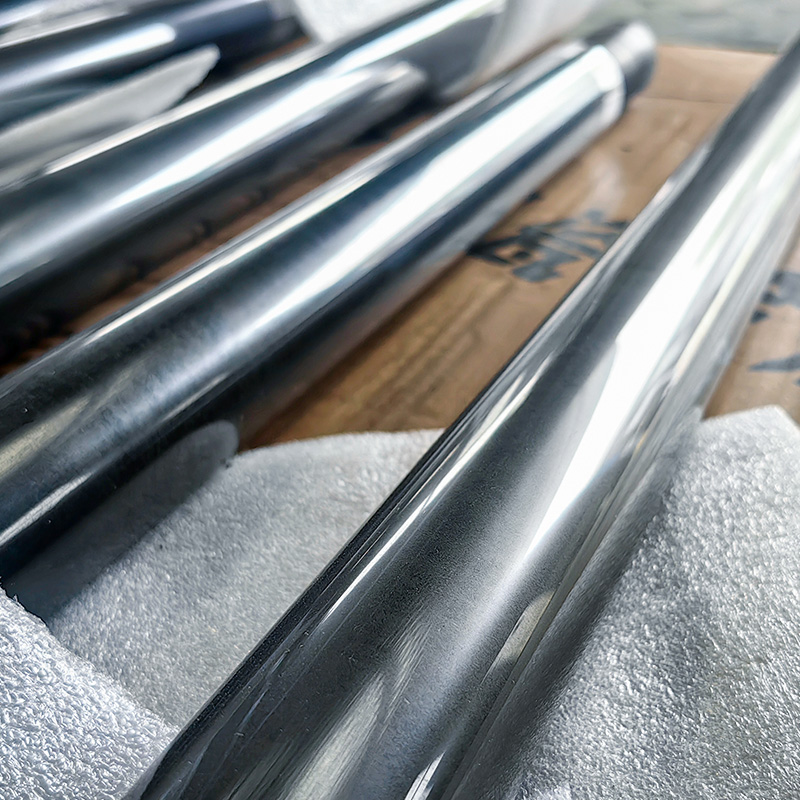
The engineering challenge is not achieving a mirror finish. It is keeping that finish intact across millions of revolutions under heat, pressure, and abrasive contact. This is the problem our customized wear-resistant mirror rollers are designed to solve.
Hard Chrome (Heavy-Duty Specification)
For applications where HVOF is not required or where chrome's specific surface properties are preferred, we apply hard chrome plating to a controlled specification: thickness of 0.08–0.15 mm, hardness of HV 900–1100, and uniform distribution across the roller body. The plating is applied to a mirror-polished substrate and finished with precision grinding and polishing to achieve the target surface roughness.
This specification exceeds standard commercial chrome plating in both thickness and hardness consistency. It is appropriate for moderate wear conditions where the mirror finish must be maintained but the abrasive load does not justify the additional cost of HVOF tungsten carbide.
Ceramic and Composite Coatings
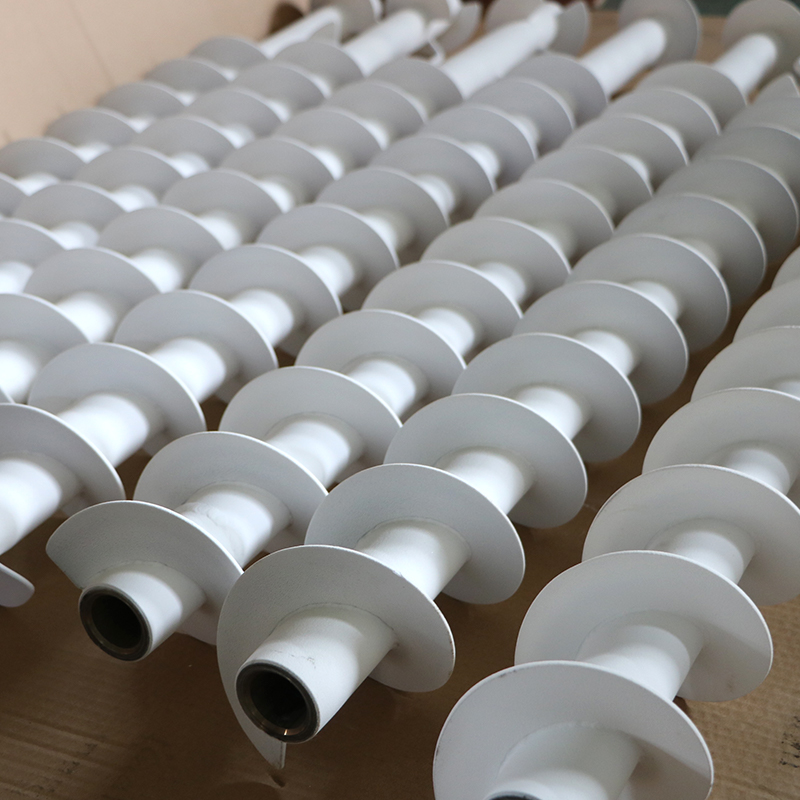
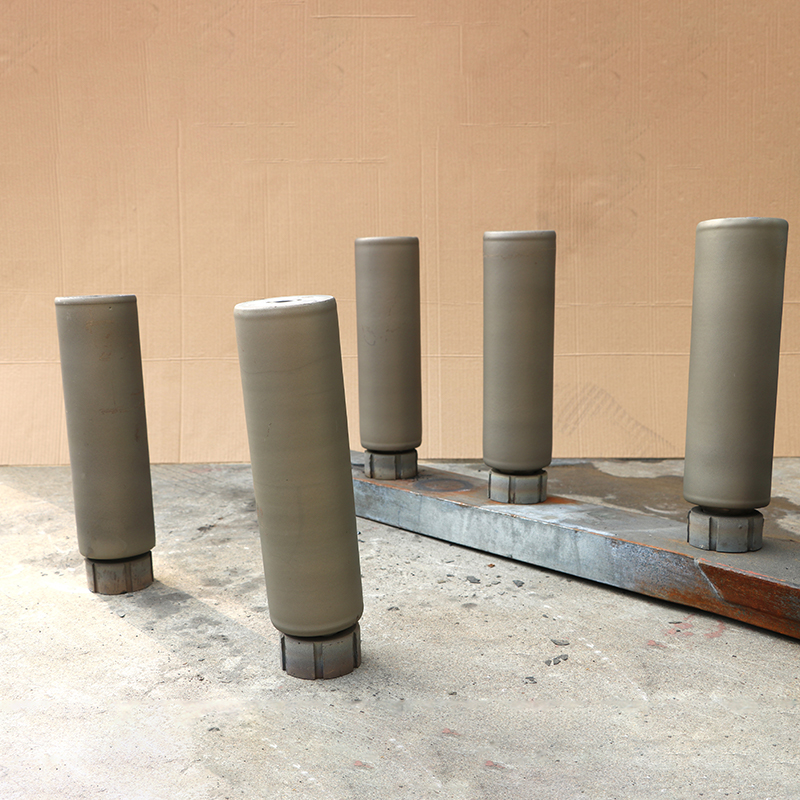
For applications involving chemical exposure, high-temperature adhesion, or specific surface energy requirements, we offer ceramic-based coatings including chromium oxide (Cr₂O₃) and aluminum oxide-titanium dioxide (Al₂O₃-TiO₂) systems. These coatings provide excellent corrosion resistance and anti-adhesion properties, with hardness in the range of HV 900–1200. They are particularly suited for film casting rollers where polymer adhesion to the roller surface is a persistent problem.