English
 русский
 عربى


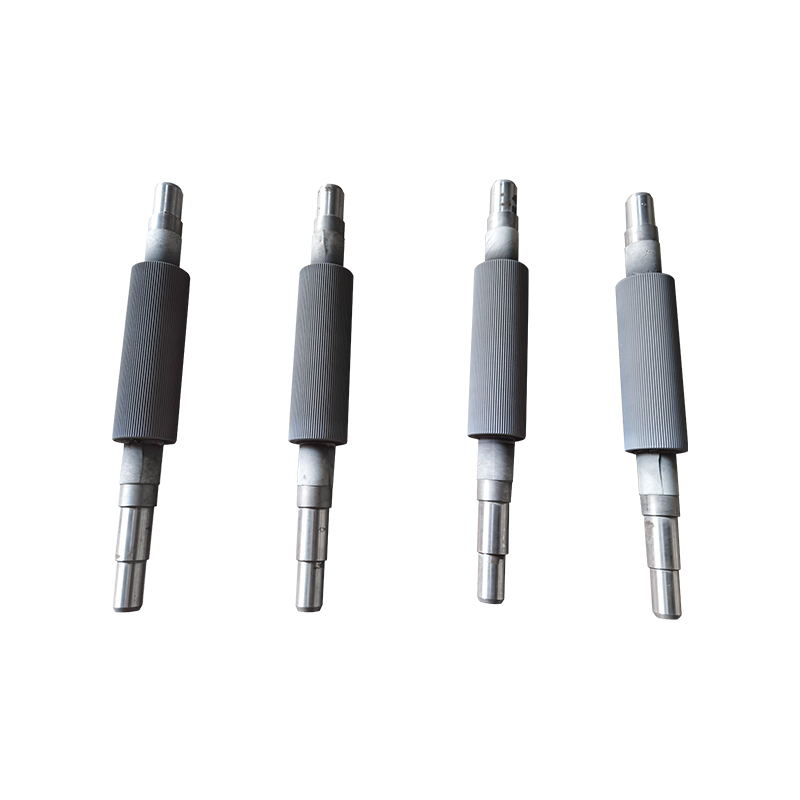
A guide roller that scratches the sheet it carries has already failed. The damage starts at the surface — abrasive contact with strip edges, mineral fillers, or wire under tension wears through chrome plating and exposes the softer substrate beneath.
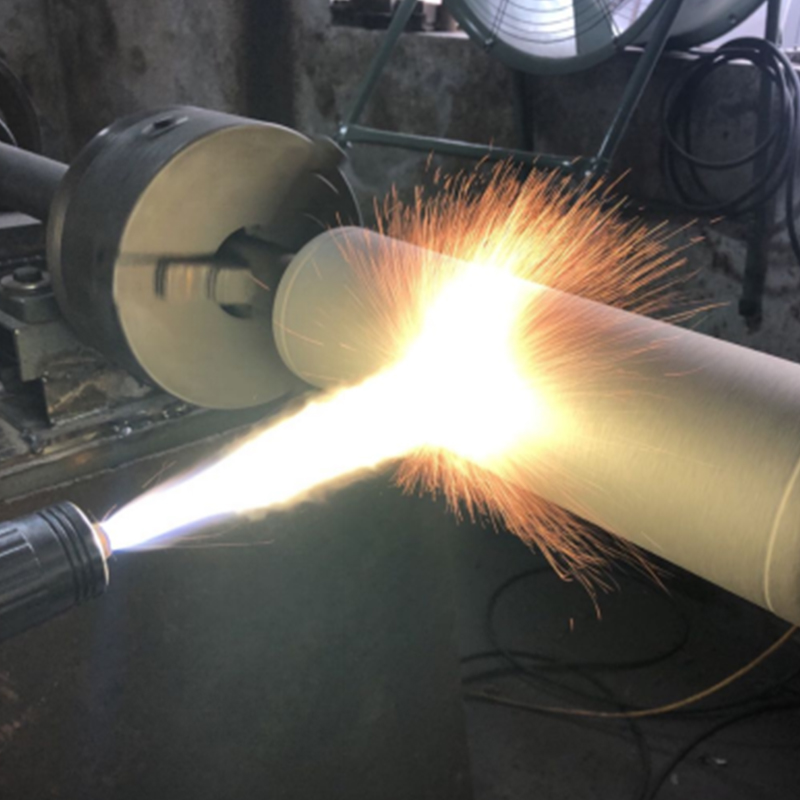
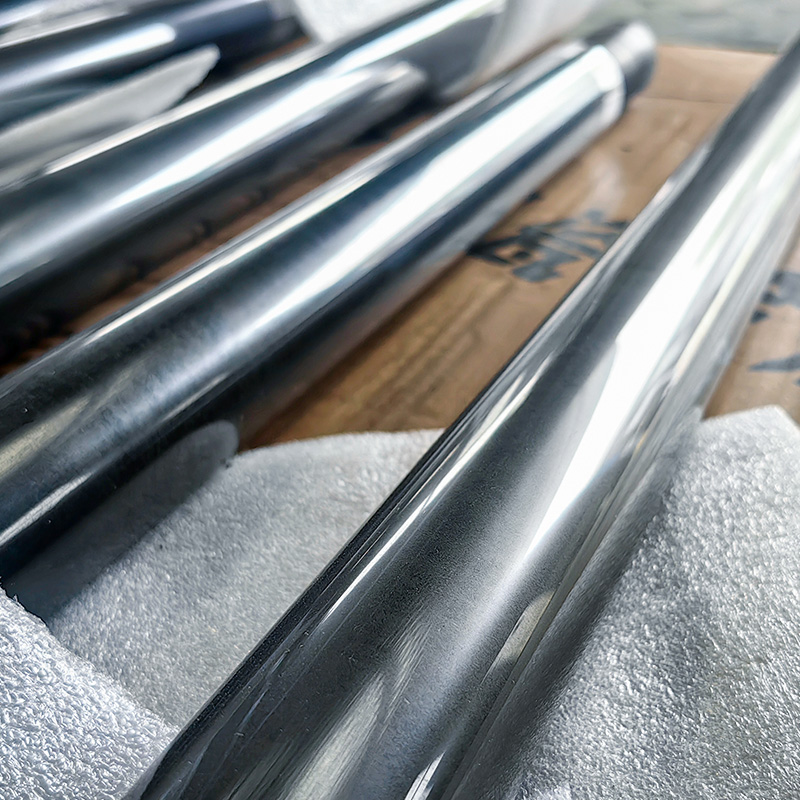
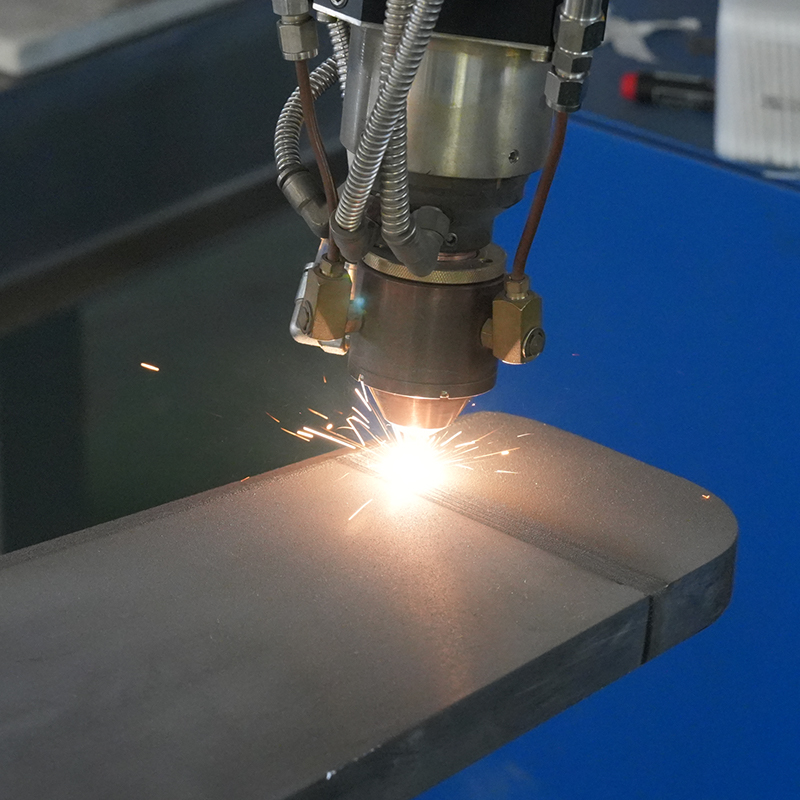
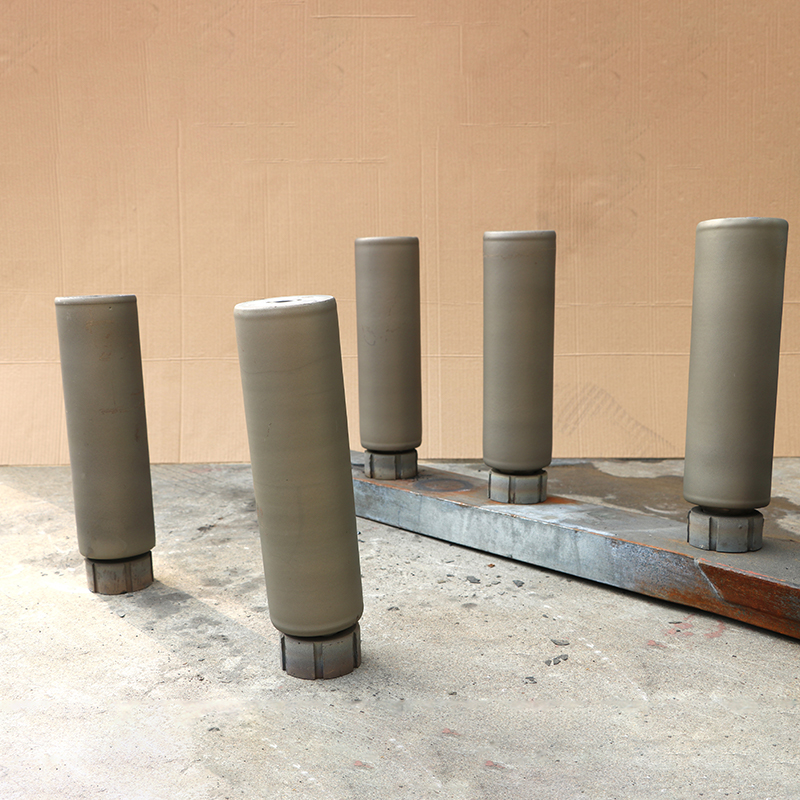
Our customized wear-resistant guide rollers solve this with HVOF tungsten carbide coating. Hardness reaches 1400–1500 HV₀.₃, roughly 1.5 times that of hard chrome. Coating thickness of 0.1–0.5 mm provides substantial wear reserve. After diamond grinding, surface roughness reaches Ra 0.02 µm for film, foil, and optical applications.
For high-temperature lines, ceramic coatings (Cr₂O₃, Al₂O₃-TiO₂) resist thermal cycling up to 600°C while maintaining anti-adhesion properties.
Applications: Steel strip guide rollers, film and foil guide rollers, paper machine guide rolls, battery electrode deflection rollers, wire drawing guide rollers.
Base materials: 45# steel, 42CrMo, 304/316 stainless steel. Diameter: 50–800 mm. Length: up to 5500 mm. Tolerance: ±0.01 mm.
FAQ
Q: HVOF tungsten carbide versus hard chrome — which is better for guide rollers?
A: HVOF tungsten carbide achieves 1400–1500 HV versus 800–1000 HV for chrome. It can be applied at greater thickness (up to 0.5 mm versus 0.15 mm) and does not develop micro-crack networks inherent to electroplated chrome. Service life is typically 5–10 times longer in abrasive guide roller applications.
Q: Can you coat our existing guide rollers?
A: Yes. We provide HVOF coating on customer-supplied roller bodies, including stripping, re-profiling, coating, grinding, and polishing.