English
 русский
 عربى


Every rolling mill operates under a unique combination of load, temperature, speed, coolant chemistry, and product mix. A work roll that performs well in a single-stand temper mill may fail prematurely in a tandem cold mill or a continuous hot strip finishing stand. The difference is rarely the base material alone — it is how the roll surface is engineered to match the specific wear mechanism at play.
Our customized wear-resistant work rolls are built around that principle. Instead of offering a limited catalogue of standard grades, we engineer the roll body, hardening profile, and surface treatment as a matched system. The result is a roll that maintains its dimensional accuracy and surface quality for longer campaigns, reduces unplanned roll changes, and lowers your cost per ton rolled.
What Makes Our Approach Different
Wear mechanism-specific design. Abrasive wear, adhesive wear, thermal fatigue cracking, and roll spalling each demand a different combination of hardness, toughness, and surface finish. We begin by identifying the dominant failure mode in your mill, then select the material grade and hardening strategy accordingly. For mills facing thermal fatigue, we prioritise a bainitic matrix with balanced carbide distribution. For mills dominated by abrasive wear from hard oxides, we shift toward a higher carbide volume fraction with a martensitic matrix.
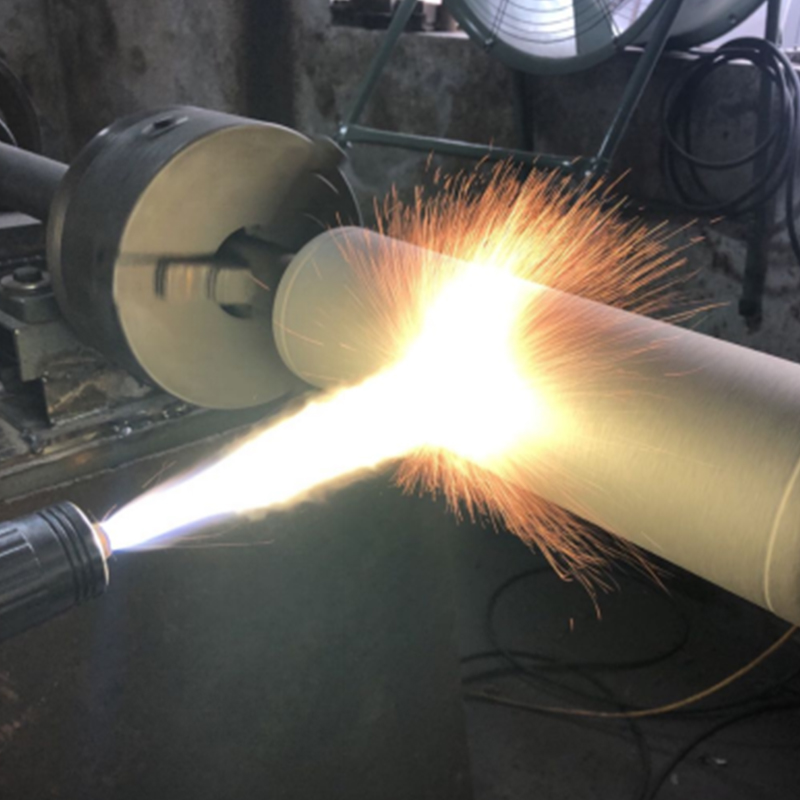
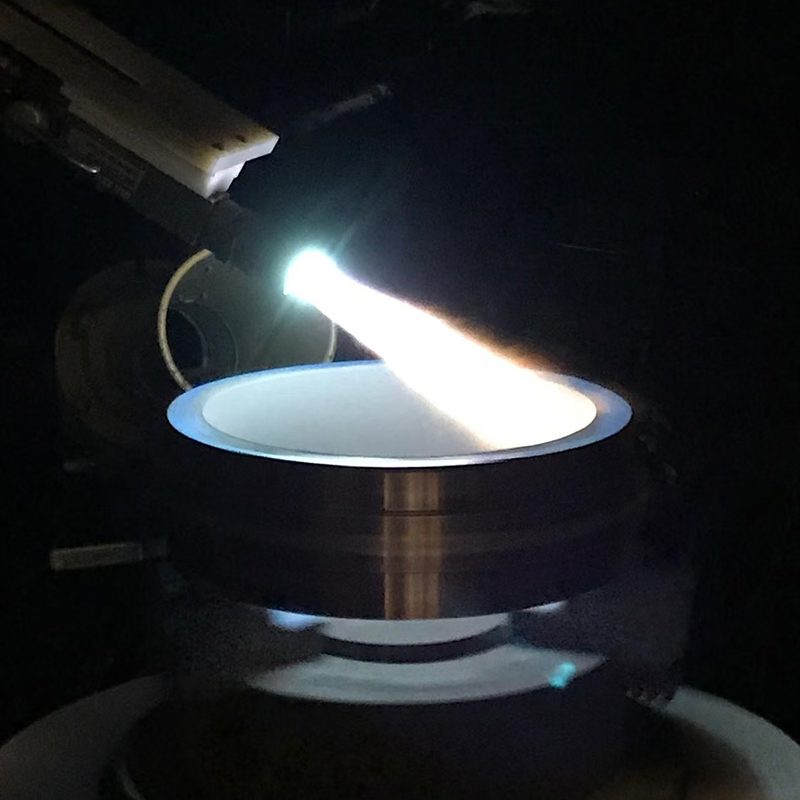
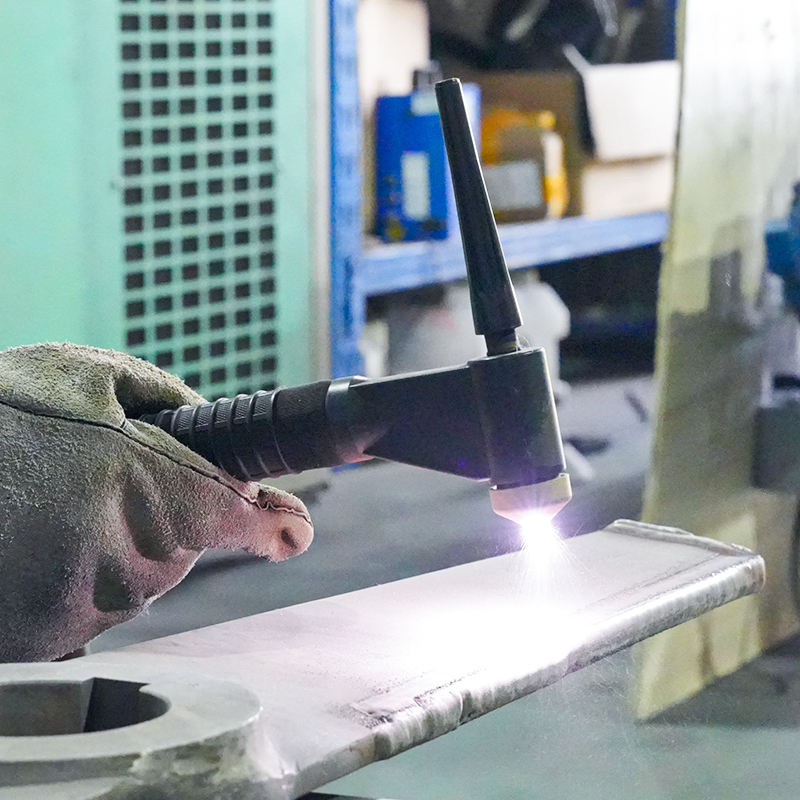
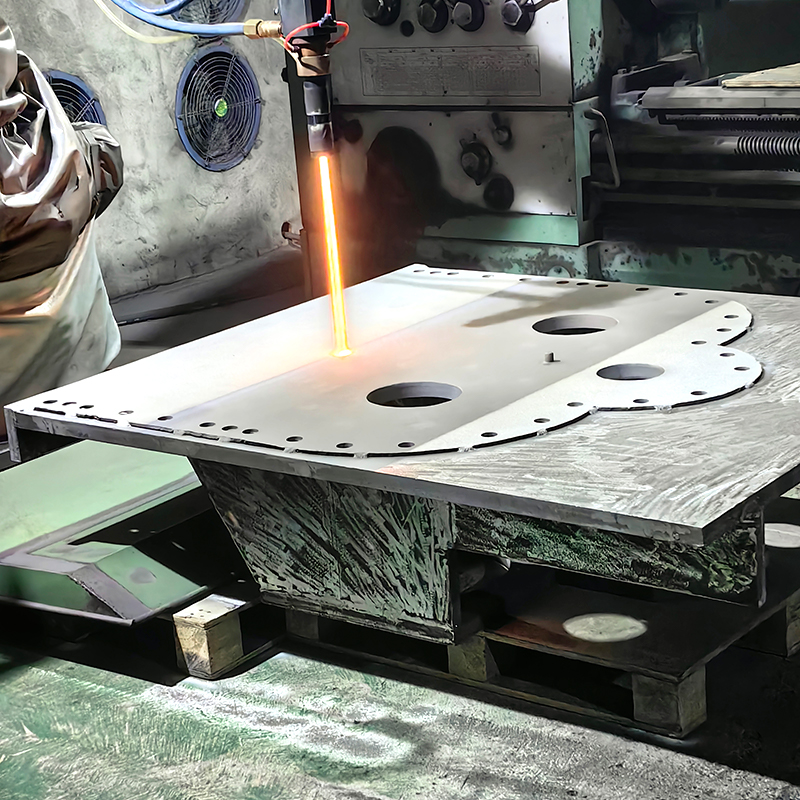
Gradient hardening, not just surface hardness. A work roll needs a hard working surface to resist wear and a tough core to absorb bending loads and prevent catastrophic breakage. We achieve this through differential heat treatment — induction hardening, differential quenching, or specialized spray-welding processes — producing a working layer with controlled hardness and depth while preserving core toughness.
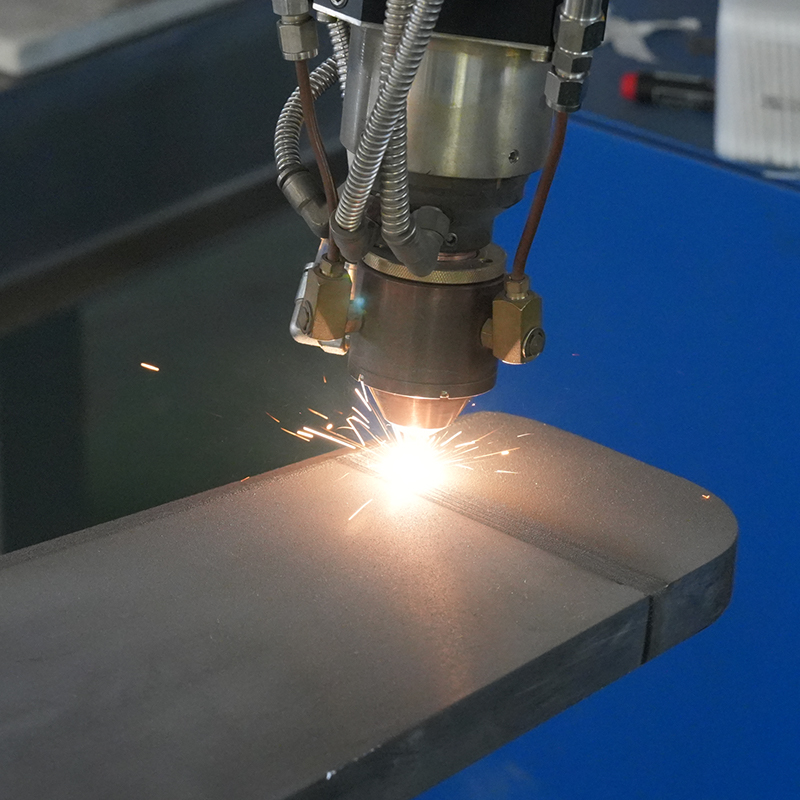
Multiple material platforms under one roof. Our customization service spans forged steel grades (2%Cr, 3%Cr, 5%Cr), high-chromium cast iron, high-speed steel (HSS), and coated roll systems (HVOF tungsten carbide, laser cladding, and spray-welded nickel-based alloys). That range means we can recommend the most cost-effective solution for your operating conditions rather than forcing your application into a single product line.
Reconditioning and lifecycle support. Wear-resistant work rolls are not disposable items. When the working layer approaches its wear limit, we can re-profile the roll, reapply a coating if applicable, and return it to service with verified hardness and dimensional tolerances. This extends total roll life and reduces raw material consumption.