

 English
 русский
 عربى

Product Category
Download
Coated Rollers Company


ABOUT US
JIANGSU CRYSTAL ADDITIVE
MANUFACTURING CO., LTD.
Jiangsu Crystal Additive Manufacturing Co., Ltd. is China Coated Rollers Company and Metallurgical Rollers Solution specializing in R&D,
production and sales of various types of (cobalt-based, nickel-based,
copper-based, iron-based, high-temperature alloy and composite tungsten
carbide powder) alloy powders that can be used in various application
processes.
Powder, (can be customized pure nickel powder, pure cobalt powder, pure copper powder, etc.) metal powder.
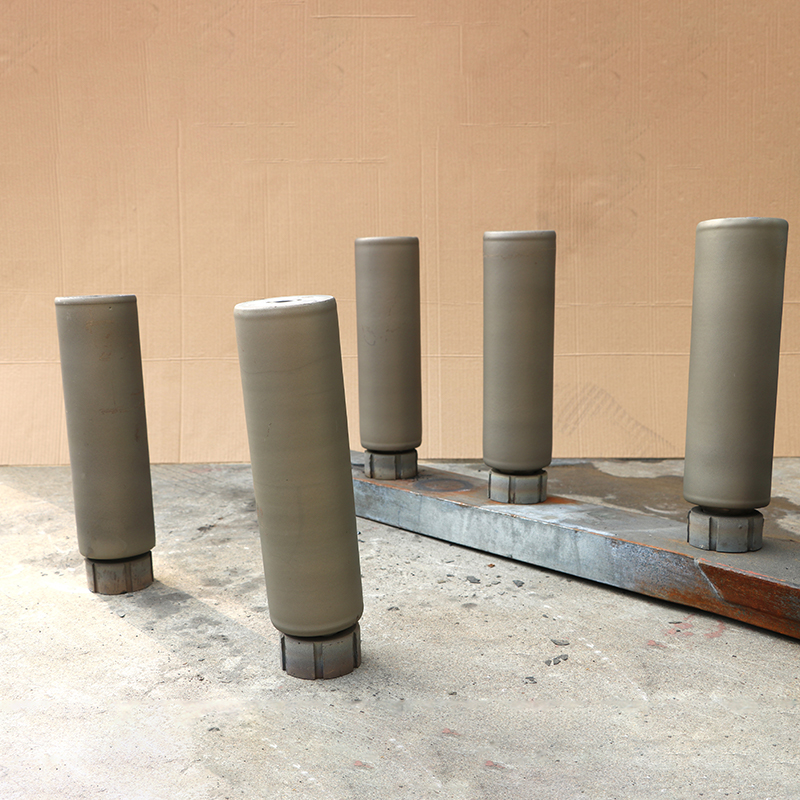
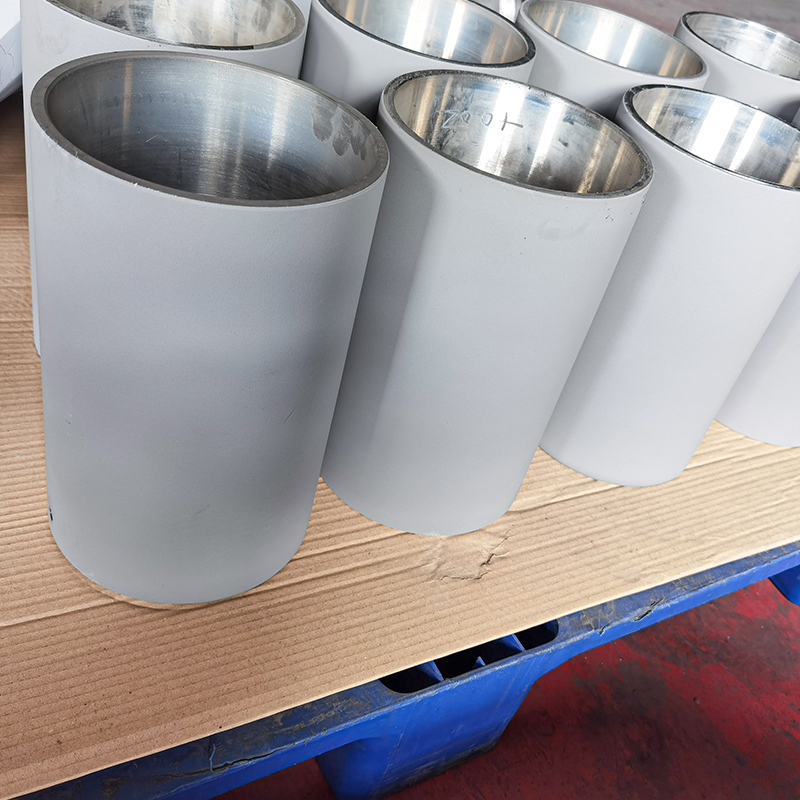
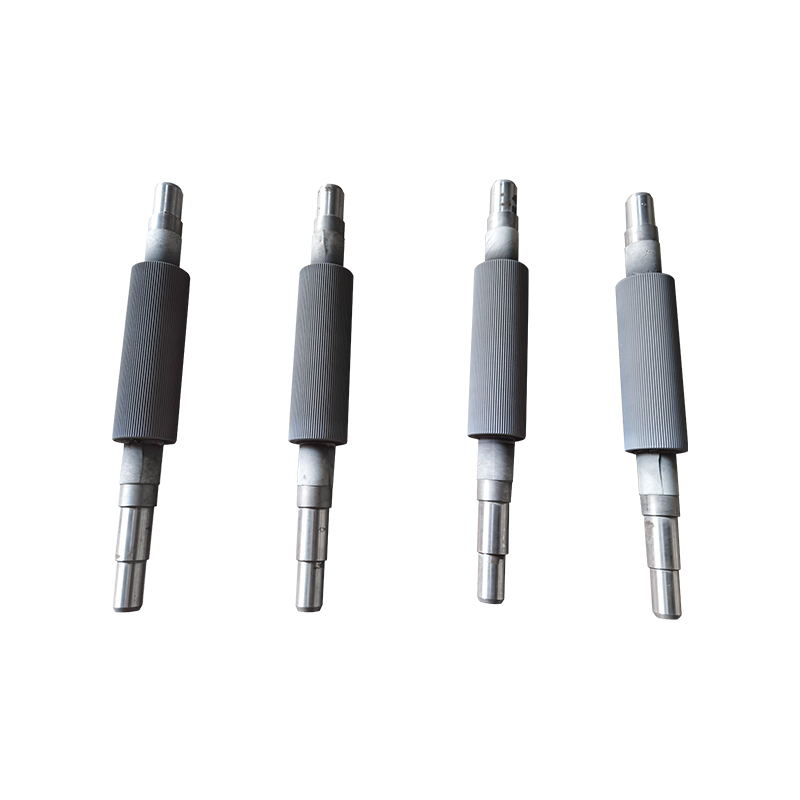
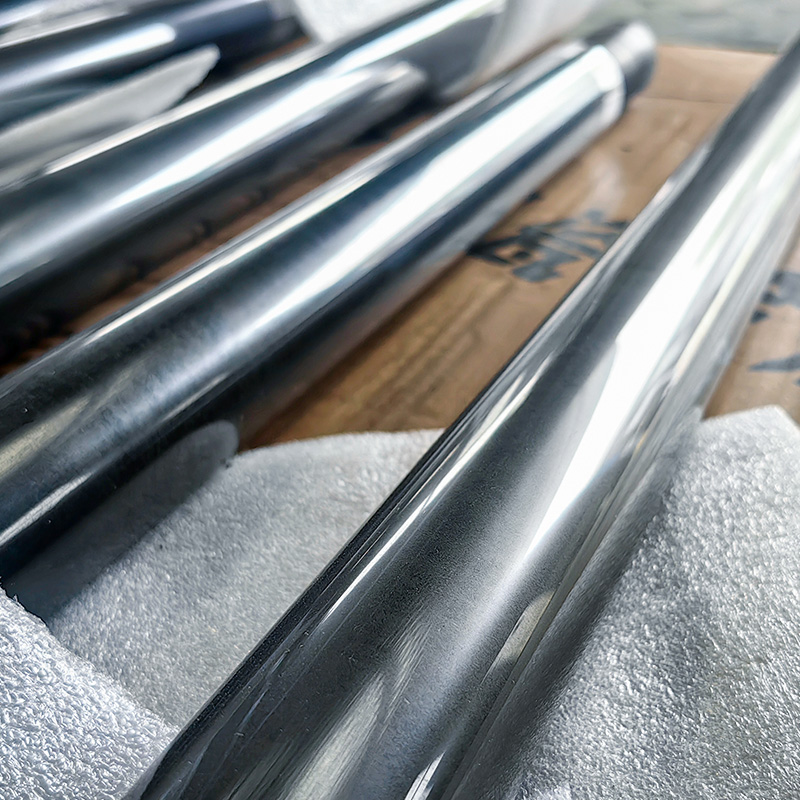
We offer Tungsten Carbide Coated Rollers. We are always committed to developing and producing various high-performance alloy materials for harsh environments, providing customers with high-strength, wear-resistant, corrosion-resistant and high-temperature-resistant alloy powders.
Powder, (can be customized pure nickel powder, pure cobalt powder, pure copper powder, etc.) metal powder.
We offer Tungsten Carbide Coated Rollers. We are always committed to developing and producing various high-performance alloy materials for harsh environments, providing customers with high-strength, wear-resistant, corrosion-resistant and high-temperature-resistant alloy powders.
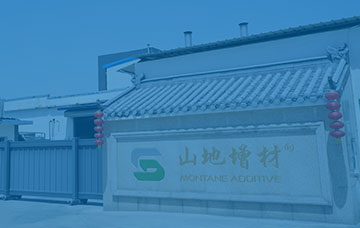
Corporate Promotional Video

WAS FOUNDED IN
Our Factory


News
-
From Spec Sheet to Build Plate: Selecting Alloy Powders for Additive Manufacturing
Anyone who has spent years standing next to a powder bed will tell you the same thing: the machine gets the attention, but the powder decides the out...
READ MORE -
Additive Manufacturing Powder: A Practical Guide to Metal Powder Selection
Additive manufacturing powder looks simple from a distance: fine metal particles, a hopper, a build plate, and a finished part. Up close, it is a car...
READ MORE -
Cobalt Based Alloy Powder: A Practical Guide to Grades, Properties, and Selection
Cobalt based alloy powder rarely gets much attention until a part stops working. Over the years we have seen it rescue valve seats that were being re...
READ MORE -
Chromium Oxide Ceramic Powder: Properties, Grades and Coating Applications
Chromium oxide ceramic powder is one of those materials that rarely makes headlines but quietly keeps a great deal of industrial equipment running. I...
READ MORE -
Ceramic Powder: Types, Properties, and How to Choose the Right Grade for Your Parts
Ask five people on a plant floor what ceramic powder means and you may get five different answers. To a potter it is the raw material behind a glaze....
READ MORE
Industry Knowledge Expansion
Matching Coatings to the Working Zone of Metallurgical Rollers
Metallurgical Rollers rarely fail for the same reason in every section of a line. A hearth roller in a continuous annealing furnace faces 800–950 °C and nodule build-up. A sink roller in a galvanizing pot is attacked by molten zinc-aluminum. A bridle roller at the exit of a cold mill mainly suffers abrasive wear and slippage. Choosing one universal coating for all of them wastes money, so the first step is to identify the dominant damage mechanism in each zone.
| Roller Position | Dominant Damage | Typical Coating Family |
| Annealing furnace hearth roller | High-temperature oxidation, manganese/iron oxide pickup | Cr3C2-NiCr, NiCrAlY-based, ceramic composites |
| Galvanizing sink / stabilizer roller | Molten zinc corrosion, dross adhesion | Cobalt-based alloys, WC-Co with corrosion-resistant binder |
| Cold mill bridle / deflector roller | Abrasion, strip slippage, surface polishing | WC-CoCr, WC-Co |
| Hot strip mill run-out table roller | Thermal fatigue, scale abrasion | Iron-based or nickel-based cladding |
A useful rule of thumb is to rank the damage mechanisms by how much roller life each one consumes, then choose the coating that fixes the top one without making the second worse. A very hard carbide coating, for example, may resist abrasion yet crack in a zone with large temperature swings.
WC-Co, WC-CoCr and WC-Ni: Choosing the Binder for Tungsten Carbide Coated Rollers
Tungsten Carbide Coated Rollers are usually specified by the carbide content, but the metallic binder often decides whether the coating survives. The binder holds the hard WC grains in place and controls toughness, corrosion resistance and the maximum service temperature. Above roughly 500 °C, WC begins to decarburize and oxidize in air, so these coatings suit cold and warm sections rather than furnace interiors.
Typical Binder Selection
- WC-12Co: the general-purpose choice for dry abrasive wear. It typically reaches 1050–1250 HV0.3 and offers good sliding wear resistance, but it is less suited to acidic or wet environments because cobalt dissolves.
- WC-10Co4Cr: the most common choice for coated rollers on continuous lines. Chromium in the binder improves corrosion and fretting resistance, and hardness commonly falls in the 1100–1300 HV0.3 range.
- WC-10Ni or WC-Ni-Cr: preferred where alkaline, pickling-line or mildly acidic media are present, with somewhat lower hardness than cobalt-bonded grades.
- Coarser WC grains (1–3 µm) favor impact tolerance, while sub-micron grains favor smoother finishes and fine-scale wear resistance.
Because every line has different strip chemistry and tension, we can adjust carbide size and binder ratio in our composite tungsten carbide powders to fit a specific roller position instead of forcing a standard grade.
HVOF, Laser Cladding and Plasma Spraying: Which Process Suits Which Coated Roller
The same powder behaves differently depending on how it is deposited, so the process should be selected together with the material. HVOF produces dense, thin carbide coatings with very little decomposition of WC. Laser cladding forms a metallurgical bond and allows much thicker layers, which is valuable on rollers that will be reground several times. Atmospheric plasma spraying is economical for oxide ceramics but gives lower density for carbides.
| Process | Typical Thickness | Bonding | Typical Powder Size | Best Fit |
| HVOF | 0.1–0.4 mm | Mechanical, high density | 15–45 µm | WC-based coatings on cold-section rollers |
| Laser cladding | 0.5–2.0 mm | Metallurgical | 45–106 µm | Hot-section rollers, repair of worn journals and barrels |
| Plasma spraying | 0.2–0.6 mm | Mechanical, moderate density | 20–75 µm | Ceramic and oxide layers |
Particle size matters as much as chemistry. Powder that is too fine can overheat and vaporize in the flame, while powder that is too coarse may remain partially unmelted and leave porosity. Good flowability and a tight size distribution are what keep deposition rates stable over a long spray run on a large roller barrel.
Grinding and Surface Finish After Coating
A coating that is excellent as sprayed can still damage the strip if it is finished badly. Carbide coatings cannot be machined with conventional tools and must be ground with diamond wheels, usually in several stages with coolant to avoid micro-cracking. The final roughness should be matched to the function of the roller: too smooth and the strip slips, too rough and the surface marks the product.
Practical Finish Guidelines
- Drive and bridle rollers needing traction: Ra of about 0.8–1.6 µm, sometimes with a controlled texture.
- Deflector and guide rollers for bright or coated strip: Ra of about 0.2–0.4 µm to avoid marking.
- Remove at least 0.05–0.10 mm of the as-sprayed surface to reach the dense layer below the rough outer skin.
- Check runout and crown after grinding, because a few hundredths of a millimeter of error can cause strip tracking problems at high speed.
Reading Failure Patterns on Used Coated Rollers
Inspecting a roller removed from service tells you more than any data sheet, because the failure pattern points directly to the cause. Recording these observations at every changeout lets you improve the next coating specification instead of simply repeating the last one.
| Observation | Likely Cause | Corrective Direction |
| Coating spalls in sheets near the edges | Poor grit blasting or edge stress concentration | Improve surface preparation, add edge radius |
| Fine network cracks across the barrel | Thermal fatigue from cooling water or strip temperature swings | Tougher binder, thinner layer, or cladding with a ductile alloy |
| Pits and rust-colored stains in the coating | Binder corrosion from wet or acidic media | Switch to CoCr or Ni binder, apply sealing |
| Localized polished bands | Strip slippage or misalignment | Check tension and alignment, adjust roughness |
When to Recoat Versus Replace a Metallurgical Roller
A worn roller is not automatically scrap. If the base steel is sound, recoating usually costs a fraction of a new roller and can deliver longer life with an upgraded coating. The decision depends on the condition of the substrate, not just the surface, so a structured check before approving the work avoids paying for a repair that will fail again.
- Recoat if the diameter loss is within the allowed grinding limit and the substrate shows no through cracks in magnetic particle or dye penetrant testing.
- Rebuild the undersized barrel or journal with laser cladding first if the diameter is already below the minimum, then apply the functional top coating.
- Replace the roller if the shell shows deep thermal cracks, bending that cannot be straightened, or hardness loss across the base material.
- Record the coating system used each cycle so that the second recoat can be compared with the first on cost per tonne of strip produced.
If you plan a recoating program and need the powder matched to your process and roller position, we are happy to discuss the cobalt-based, nickel-based or tungsten carbide options that suit your line and supply small trial batches before you commit to a full production lot.


CONTACT US
GET PRODUCT CATALOG,
SERVICE INTRODUCTION AND QUOTATION
-
 Bianzhuang Industrial Concentration Zone, Yuxi, Jiangyan District, Jiangsu Province
-
 +86-0523-86505558 / +86-0523-86506668
-
 +86-13961019985 / +86-18852676660
-
 [email protected]
Copyright ©Jiangsu Crystal Additive Manufacturing Co., Ltd. All Rights
Reserved.
 Tungsten Carbide Coated Rollers Solution